
Introduction: Understanding Google’s Latest JavaScript SEO Update
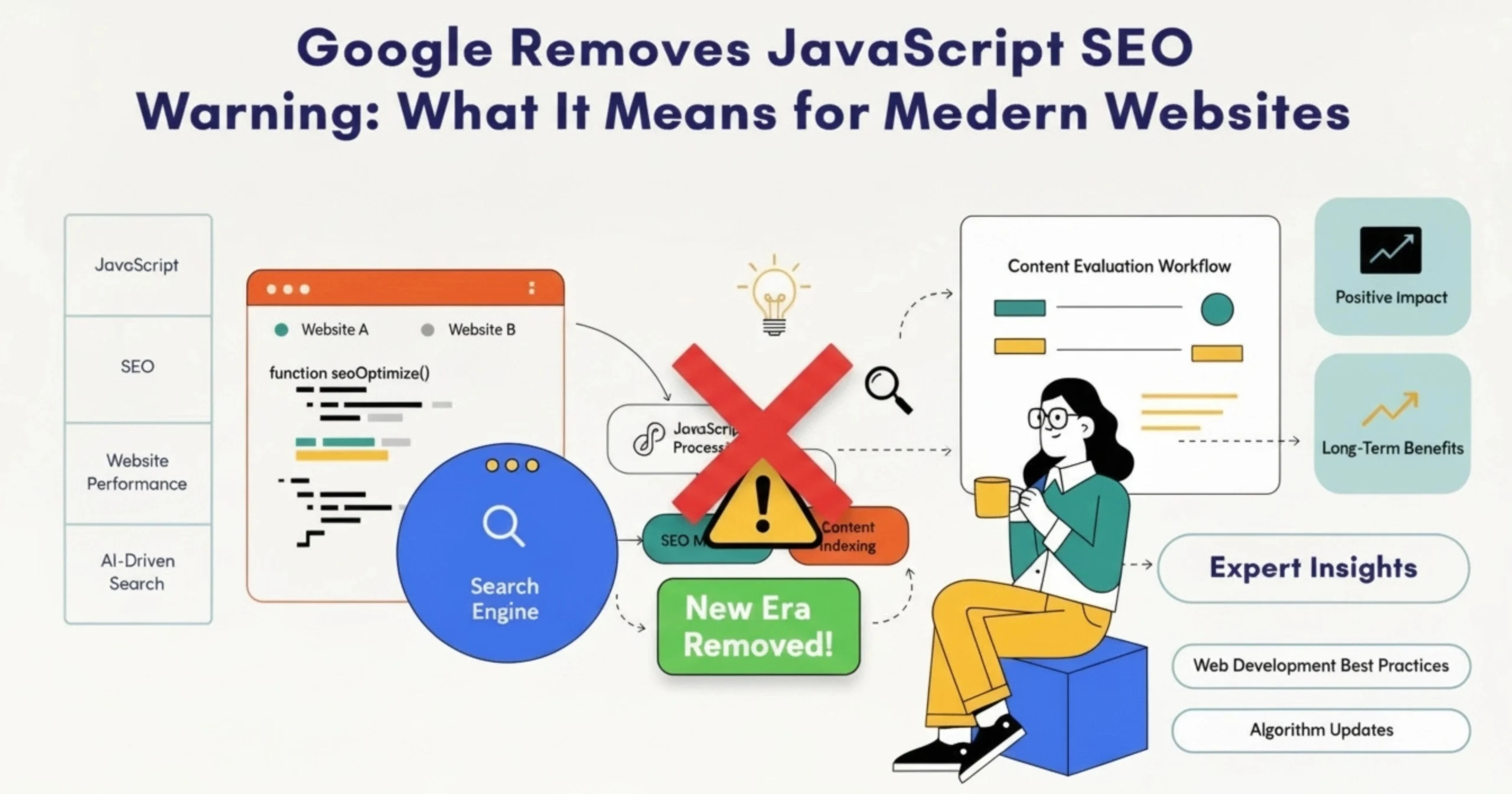
Search engine optimization has changed dramatically as websites have become more dynamic and interactive. Modern websites increasingly rely on JavaScript frameworks to load content, improve user experience, and create interactive interfaces. Recently, an important update in the SEO community gained attention when Google removes JavaScript SEO warning from its official developer documentation. This update indicates that some of the previous guidance about JavaScript usage is no longer necessary due to improvements in search engine technology.
The Google JavaScript SEO update reflects the progress Google has made in understanding and rendering JavaScript-based content. In the past, Google warned developers that websites relying heavily on JavaScript might experience indexing issues. This warning encouraged developers to ensure that essential content remained visible even when JavaScript was disabled. However, with advancements in Googlebot JavaScript rendering, Google can now process complex JavaScript frameworks much more efficiently.
For developers, SEO specialists, and digital marketing agencies offering SEO Services, this update is significant. Businesses often rely on a combination of website optimization, Social Media Services, and paid campaigns such as Google Ads to improve their online visibility. If search engines cannot properly interpret website content, these marketing efforts may not produce the desired results.
Understanding modern JavaScript SEO guidelines is essential for businesses and developers who want to maintain strong search performance while using modern web technologies. This article explains what the original JavaScript SEO warning was, why Google removed it, and how developers should approach JavaScript optimization in the future.
What Was the JavaScript SEO Warning?
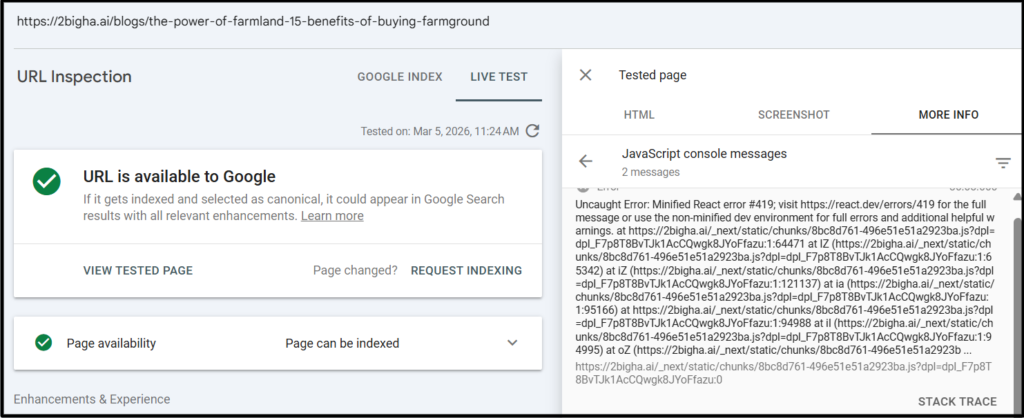
Before the recent Google JavaScript SEO update, Google’s documentation included guidance warning developers about potential SEO issues related to JavaScript-heavy websites. At that time, search engines struggled to process JavaScript effectively, which sometimes caused important website content to remain invisible to crawlers.
The warning encouraged developers to ensure that essential website information was accessible even without JavaScript execution. This recommendation helped ensure that search engines could still understand the structure and content of a webpage. For businesses investing in SEO Services, following these guidelines was critical to maintaining visibility in search results.
The warning also emphasized the importance of testing websites with JavaScript disabled to confirm that search engines could still access critical content. Over time, this guidance became a fundamental part of JavaScript SEO practices.
Key aspects of the original warning included:
- Developers should ensure that important content is available in the initial HTML source
- Websites should remain functional even if JavaScript fails to load
- Search engines should be able to crawl links without relying entirely on scripts
- Developers were encouraged to test pages using text-based browsers
- Websites should avoid loading essential content only after user interaction
Although these recommendations were useful at the time, improvements in Googlebot JavaScript rendering have made many of them less critical today.
Why Google Removed the JavaScript SEO Warning
The decision that Google removes JavaScript SEO warning reflects the evolution of Google’s search technology. Over the years, Google has significantly improved its ability to process dynamic websites.
Improvements in Googlebot Rendering
One of the biggest reasons behind the Google JavaScript SEO update is the advancement of Google’s rendering technology. Googlebot now uses a modern rendering engine capable of executing JavaScript in a way similar to web browsers.
This means Googlebot can load scripts, interpret dynamic elements, and display content exactly as users see it.
How Modern Search Engines Handle JavaScript
Modern search engines have adapted to the growing use of JavaScript frameworks in web development. Technologies such as React, Angular, and Vue rely heavily on client-side rendering, making it necessary for search engines to process JavaScript efficiently.
Thanks to improved Googlebot JavaScript rendering, Google can now understand complex websites built with these frameworks.
Why the Previous Guidance Became Outdated
The original warning was introduced when JavaScript rendering was still limited. Today, the situation is very different. Google’s improved capabilities allow it to interpret dynamic content much more effectively.
As a result, Google updated its documentation to reflect current technology and removed outdated advice from its JavaScript SEO guidelines.
How Googlebot Processes JavaScript Today
Understanding how Googlebot processes JavaScript helps developers build websites that are both interactive and search engine friendly.
The Crawling and Rendering Process
When Googlebot visits a website, it does not immediately see the fully rendered page. Instead, it follows a multi-step process that involves crawling, rendering, and indexing the content. This process ensures that both static HTML and dynamic JavaScript content are analyzed.
Initially, Googlebot downloads the HTML file and identifies links and resources. After the initial crawl, the rendering system processes JavaScript to generate the final page layout.
This rendering process is crucial for modern websites that rely on scripts to load important content.
Key steps in the Googlebot JavaScript rendering process include:
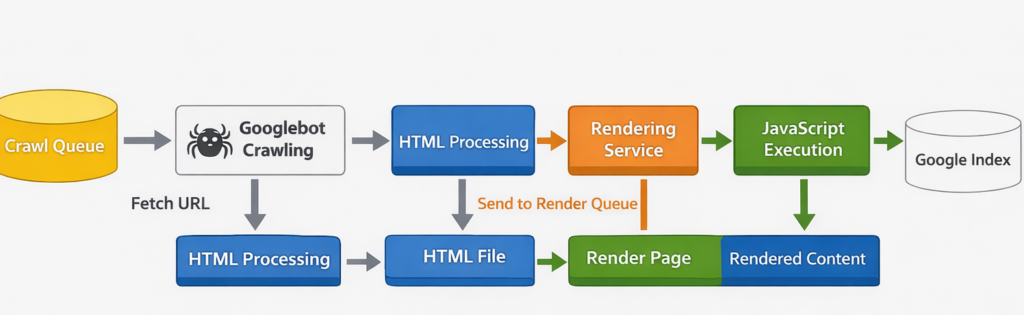
- Googlebot downloads the HTML file of the webpage
- The crawler identifies external resources such as CSS and JavaScript files
- Google’s rendering service executes the JavaScript code
- The rendered page is analyzed to extract visible content and links
- The processed content is stored in Google’s search index
Because of this advanced rendering process, search engines can now understand many JavaScript-driven websites more accurately.
JavaScript SEO Approaches: Traditional vs Modern
Understanding the difference between earlier optimization techniques and modern practices can help developers adapt to the latest JavaScript SEO guidelines.
| SEO Approach | Earlier Practice | Modern Practice | SEO Impact |
| Content Delivery | Static HTML preferred | JavaScript frameworks allowed | Better flexibility |
| Rendering Method | Server-side rendering required | Hybrid rendering supported | Faster development |
| Crawling Ability | Limited script processing | Advanced Googlebot JavaScript rendering | Improved indexing |
| Content Visibility | Must work without JavaScript | JavaScript content supported | Reduced restrictions |
| SEO Strategy | Heavy technical checks | Balanced optimization approach | Better user experience |
This shift shows how the Google JavaScript SEO update reflects the evolving capabilities of search engines.
What This Update Means for SEO Professionals
The removal of the warning signals a change in how SEO professionals should approach website optimization.
Changes in Technical SEO Practices
Technical SEO strategies now focus more on performance, accessibility, and structured data rather than avoiding JavaScript entirely. Developers can safely use JavaScript frameworks while still maintaining search visibility.
Should Websites Still Worry About JavaScript SEO?
Even though Google can render JavaScript more effectively today, poorly implemented scripts can still cause problems. Websites that rely heavily on delayed content loading may still face indexing challenges.
Therefore, following proper JavaScript SEO guidelines remains important.
The Impact on Modern Web Development Frameworks
Modern frameworks allow developers to create advanced web applications with rich functionality. With improved Googlebot JavaScript rendering, these frameworks are now more compatible with search engines.
This makes it easier for companies offering SEO Services to optimize websites built with modern technologies.
Common JavaScript SEO Issues That Still Exist
Although search engines have improved significantly, some challenges related to JavaScript SEO still exist. Developers must be aware of these potential issues when building dynamic websites.
Many websites rely heavily on scripts to load content, manage navigation, or trigger interactive elements. If these scripts fail to load correctly or delay the rendering process, search engines may struggle to understand the page content.
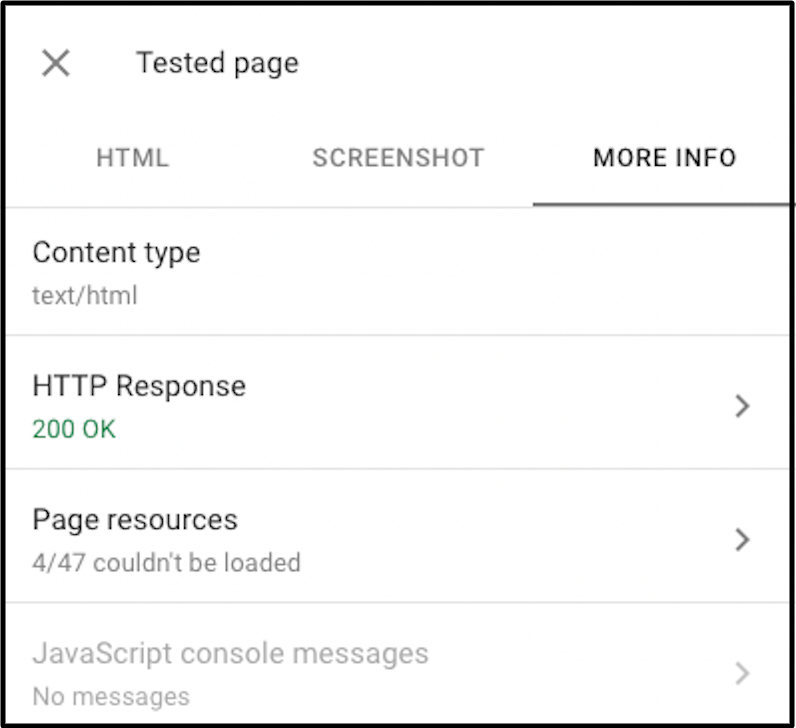
Additionally, blocked resources or restricted scripts can prevent search engines from rendering the page correctly. This can affect indexing and ultimately impact search visibility.
Some common JavaScript SEO issues include:
- Delayed rendering caused by heavy scripts
- Important content loading only after user interaction
- Blocked JavaScript or CSS files in robots.txt
- Slow page speed due to excessive script execution
- Improper implementation of dynamic routing
Identifying and fixing these issues is essential for maintaining strong SEO performance.
Best Practices for JavaScript SEO in 2026
Even though the warning has been removed, following modern JavaScript SEO guidelines remains important.
Use Server-Side Rendering When Possible
Server-side rendering ensures that the content is generated before it reaches the browser. This approach helps search engines access important information quickly.
Ensure Important Content Loads Quickly
Page speed is an important ranking factor. Optimizing scripts and reducing unnecessary code can improve performance.
Test Pages Using Google Search Console
Regular testing allows developers to verify how search engines view their pages and identify potential rendering issues.
Tools to Test JavaScript Rendering for SEO
Testing tools help developers ensure that search engines can properly interpret website content.
URL Inspection Tool in Google Search Console
This tool allows developers to see how Googlebot crawls and renders a webpage.
Mobile-Friendly Test
Google’s mobile-friendly test evaluates how pages perform on mobile devices and displays rendered content.
Page Rendering Testing Tools
Several third-party tools simulate search engine rendering, helping developers identify issues affecting JavaScript SEO.
The Future of JavaScript in SEO
The future of web development will continue to rely heavily on JavaScript frameworks and dynamic content delivery. As user expectations grow, websites will become even more interactive and feature-rich.
Search engines will continue improving their ability to interpret dynamic content. Artificial intelligence and machine learning will likely play a greater role in how search engines understand website structure and user behavior.
For businesses investing in digital marketing strategies—whether through SEO Services, Social Media Services, or Google Ads—maintaining technically optimized websites will remain essential.
Conclusion
The announcement that Google removes JavaScript SEO warning highlights how much search engine technology has improved. With better Googlebot JavaScript rendering, search engines can now understand dynamic content more effectively than before.
However, this does not mean that JavaScript SEO should be ignored. Developers and SEO professionals must still follow best practices to ensure that important content remains accessible and indexable.
The Google JavaScript SEO update reflects the evolving nature of web development and search technology. By understanding modern JavaScript SEO guidelines, businesses can create high-performing websites that deliver both excellent user experiences and strong search visibility.