
Key Takeaways
A Google Knowledge Panel Is Built on Entity Authority, Not Just SEO: Ranking on Google and earning a Knowledge Panel are different. A Knowledge Panel is created when Google recognizes your brand as a verified entity across trusted sources.
Consistent Brand Information Is Critical: Your brand name, address, website URL, social media profiles, and descriptions must be consistent everywhere online. Even small variations reduce entity clarity.
Structured Data Strengthens Entity Signals: Schema markup (Organization, Person, LocalBusiness schema) helps search engines understand who you are, what you do, and how you are connected online.
Google Business Profile Is a Core Foundation: If you are a local digital marketing agency, optimizing your Google Business Profile increases trust signals and improves Knowledge Panel eligibility.
High-Authority Mentions Matter More Than Quantity: Getting featured on reputable websites, news portals, and business directories builds credibility. Quality backlinks and citations influence entity recognition.
SEO Service Plays a Major Role in Entity Building: Strategic SEO Service is not just about keywords — it’s about strengthening brand authority, building backlinks, improving E-E-A-T, and enhancing online presence.
Social Media Services Enhance Brand Validation: Active, verified, and well-maintained social media profiles connected to your website help Google confirm that your brand is legitimate and active.
Wikipedia Is Helpful but Not Mandatory: While Wikipedia increases authority, it is not compulsory. Strong digital footprint, structured data, and authoritative coverage can still trigger a Knowledge Panel.
Personal Branding Can Support Business Entity: If founders or key executives have a strong online presence, it indirectly strengthens the company’s authority and recognition.
Knowledge Panels Cannot Be Directly Requested: You cannot “apply” for a Knowledge Panel. It appears automatically when Google’s algorithms gain enough confidence in your entity signals.
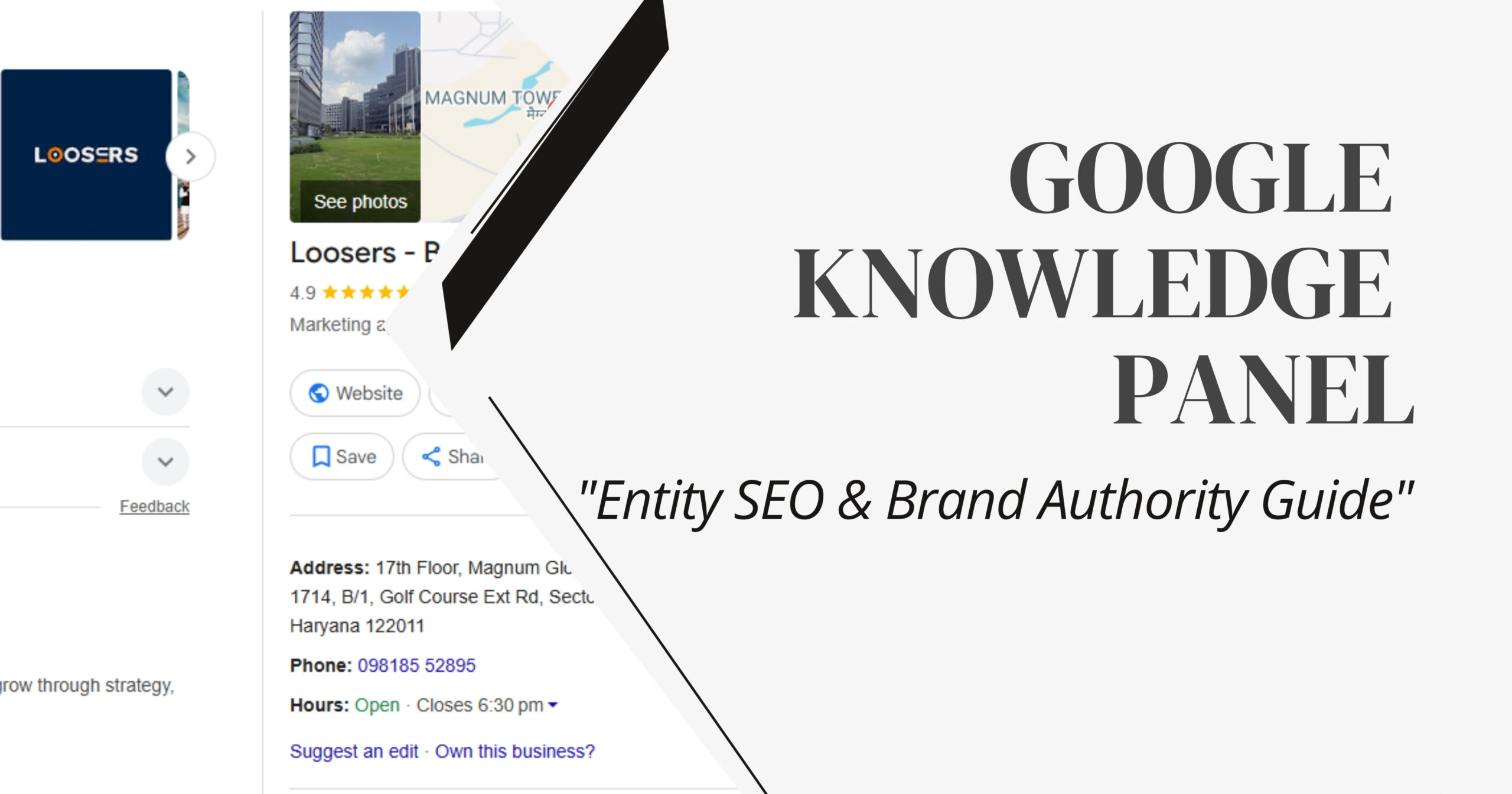
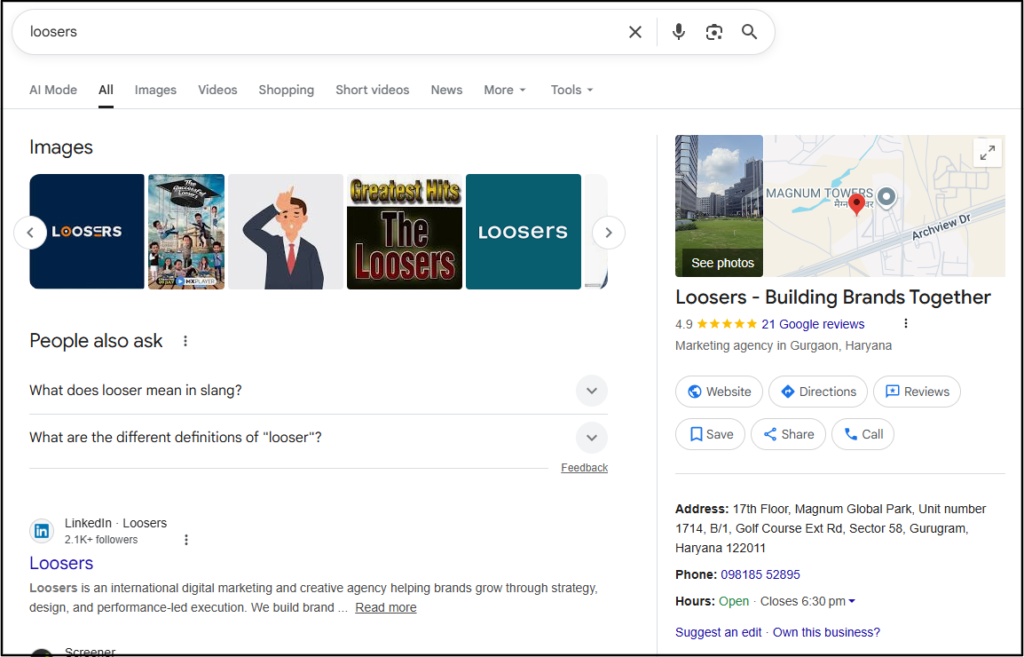
The Google Knowledge Panel has become one of the strongest digital authority indicators in modern search. When someone searches for a well-known company, entrepreneur, or brand, Google may display a structured information box on the right side of desktop results or at the top of mobile search.
This panel contains verified information about the entity and is powered by Google’s Knowledge Graph.
In 2026, as search shifts toward AI-driven understanding and entity-based SEO, the Google Knowledge Panel is no longer optional for brands — especially for businesses operating as a digital marketing agency, offering SEO services, or providing social media services. It represents recognition, credibility, and structured authority within Google’s ecosystem.
This detailed guide explains how the Google Knowledge Panel works, why it matters for marketing agencies and service-based businesses, how to get one, and what may be preventing you from earning it.
What is a Google Knowledge Panel?
A Google Knowledge Panel is an automatically generated information box created by Google to present structured details about a recognized entity.
Unlike traditional search results that list webpages, the Knowledge Panel displays organized data pulled from the Knowledge Graph. It typically includes:
- Official business name
- Logo
- Description
- Website
- Social media profiles
- Founder or leadership details
- Location
- Related brands
When Google shows a Knowledge Panel for your brand, it means the search engine has recognized your organization as a distinct entity — not just a website.
For a digital marketing agency offering SEO services and social media services, this recognition strengthens credibility significantly.
How Does a Google Knowledge Panel Work?
The Google Knowledge Panel is powered by entity recognition rather than just keyword rankings.
Google collects data from multiple trusted sources including:
- Authoritative websites
- Business directories
- News articles
- Industry publications
- Social platforms
- Structured schema markup
It cross-verifies this information to determine whether your business qualifies as a recognized entity.
For example, if a digital marketing agency consistently appears across directories, publishes expert content on SEO services, and receives mentions in marketing publications, Google gains higher confidence in that entity.
The system relies on five major signals:
- Brand Consistency: Your company name, description, and niche must be consistent everywhere. If your business describes itself as a digital marketing agency on your website but appears as a media consultancy elsewhere, it creates confusion in the Knowledge Graph. Consistency is especially important for agencies offering SEO services and social media services because those categories must clearly align with your brand identity.
- Authority & Third-Party Mentions: Google trusts independent validation more than self-published content. If reputable blogs, business magazines, or industry portals mention your digital marketing agency, it strengthens entity credibility. Mentions related to your SEO services or social media services further reinforce your specialization within the marketing niche.
- Structured Data (Schema Markup): Schema markup helps Google understand your business in a machine-readable way. For example, adding Organization schema clarifies:
- Business name
- Founding date
- Founder
- Location
- Service type
If your structured data clearly states you operate as a digital marketing agency providing SEO services and social media services, it strengthens entity clarity.
- Branded Search Volume: When users actively search for your brand name along with terms like “SEO services” or “digital marketing agency,” it indicates recognition and trust. Search demand acts as a strong reinforcement signal for triggering a Google Knowledge Panel.
- Topical Authority: Publishing in-depth content about SEO services, social media services, and digital marketing strategies increases semantic relevance. Over time, Google begins associating your brand strongly with those topics.
This topical association supports entity recognition.
Why is a Google Knowledge Panel Important for a Digital Marketing Agency?
For a service-based business, especially a digital marketing agency, the Google Knowledge Panel delivers strategic advantages.
- Builds Instant Credibility: When potential clients search for your agency and see a Knowledge Panel, it immediately establishes authority. Since Google itself displays the information, it enhances trust.
- Strengthens SEO Service Positioning: If your agency provides SEO services, having a Knowledge Panel reinforces your credibility as an SEO authority. It signals that Google recognizes your entity — which strengthens your positioning in competitive markets.
- Enhances Social Media Service Visibility: For businesses offering social media services, brand recognition is critical. A Knowledge Panel consolidates your official social profiles in one visible location, reducing confusion and improving engagement.
- Improves Client Conversion Rates: Clients searching for a digital marketing agency often compare multiple options. A Knowledge Panel adds a layer of legitimacy that may influence decision-making in your favor.
- Supports AI-Based Search Visibility: As AI summaries become more common, entity clarity becomes essential. The Google Knowledge Panel strengthens your brand’s presence in AI-generated results.
Google Knowledge Panel vs Google Business Profile
| Feature | Google Knowledge Panel | Google Business Profile |
| Purpose | Establish entity authority | Manage local presence |
| Data Source | Knowledge Graph | Maps dashboard |
| Best For | Brands & digital marketing agencies | Local storefront businesses |
| Control Level | Limited | High |
| Focus | Identity recognition | Location & reviews |
A digital marketing agency offering SEO services and social media services should ideally optimize for both — but the Knowledge Panel focuses on entity authority.
How to Get a Google Knowledge Panel
There is no direct application process. Instead, businesses must strengthen entity signals.
- Build a Clear Brand Identity: Define your niche clearly. If you operate as a digital marketing agency, ensure your homepage, service pages, and directory listings consistently mention SEO services and social media services. Clarity helps Google categorize your entity properly.
- Implement Structured Data: Add schema markup that clearly defines your business category as a digital marketing agency and outlines your services. Structured clarity improves Knowledge Graph confidence.
- Earn Authority Mentions: Secure mentions in marketing blogs, SEO communities, and business publications. Independent validation is critical for entity recognition.
- Increase Branded Searches: Encourage clients and audiences to search directly for your brand name. Higher branded search volume strengthens your entity profile.
- Publish High-Authority Content: Create long-form educational content about SEO services, algorithm updates, social media growth strategies, and digital marketing trends. This builds topical authority and reinforces entity positioning.
Common Reasons You Don’t Have a Google Knowledge Panel
Many businesses assume that creating a website or social media presence is enough to trigger a Google Knowledge Panel. However, Google requires strong entity confidence before generating one. Below are the most common reasons why your Knowledge Panel may not appear.
- Inconsistent Brand Naming Across Platforms: If your brand name appears differently across your website, social media, directories, and press mentions, Google may struggle to consolidate all signals into one clear entity. For example, using “The Loosers,” “Loosers Digital,” and “The Loosers Agency” interchangeably creates confusion. Google’s Knowledge Graph depends heavily on consistency to confirm entity identity. Even small spelling variations, abbreviations, or inconsistent capitalization can delay entity recognition and reduce the chances of a Google Knowledge Panel being generated.
- Weak Digital Authority Signals: Google relies on third-party validation to determine credibility. If your brand is not mentioned on authoritative websites, reputable publications, or well-established directories, Google may not view your entity as significant enough for a Knowledge Panel. Authority signals such as media coverage, interviews, guest articles, and expert mentions help validate your legitimacy. Without these signals, your digital footprint may appear too limited or weak to trigger a Google Knowledge Panel confidently.
- Lack of Structured Data (Schema Markup): Structured data helps search engines understand your business information in a machine-readable format. Without schema markup such as Organization, Person, or LocalBusiness schema, Google must interpret your data manually through unstructured content. This increases ambiguity and reduces entity clarity. Proper structured data connects your brand name, founders, location, and social profiles in a standardized format, significantly increasing your chances of qualifying for a Google Knowledge Panel.
- Low Branded Search Volume: If very few people search directly for your brand name, Google may not consider your entity prominent enough to generate a Knowledge Panel. Search demand acts as a confidence signal. When users consistently search for your brand, it indicates recognition and public interest. Low branded search volume suggests limited awareness, which can reduce the likelihood of Google establishing a structured Knowledge Graph entity strong enough for a Google Knowledge Panel.
- Confusing Brand Positioning: If your website and online presence do not clearly define who you are, what you do, and where you operate, Google may struggle to categorize your entity. For example, if your homepage mentions multiple unrelated services without a clear niche, it weakens entity clarity. Google’s Knowledge Graph prefers clearly defined entities with strong topical focus. Ambiguous positioning reduces the confidence required for generating a Google Knowledge Panel.
- Insufficient Third-Party References: Google prefers to validate information through independent sources. If most mentions of your brand exist only on your own website and social media profiles, entity credibility remains limited. External references from industry publications, business directories, and reputable blogs reinforce legitimacy. Without enough independent validation, Google may not trust the entity enough to create a Knowledge Panel.
- Recently Established Brand: New businesses often expect quick recognition, but entity building takes time. Google requires historical data, consistent mentions, and sustained activity before confidently generating a Knowledge Panel. If your brand is relatively new and lacks digital history, Google may still be collecting and verifying signals. Patience and consistent authority-building efforts are essential.
- No Clear Founder or Leadership Identity: Sometimes Google generates a personal Knowledge Panel before a brand panel. If your company does not highlight its founder or leadership team with structured information, you may miss an opportunity to strengthen entity trust. Founder authority often reinforces organizational credibility, increasing the overall chance of earning a Google Knowledge Panel.
- Duplicate or Conflicting Information Online: If multiple directories list outdated addresses, incorrect descriptions, or conflicting details about your brand, Google may hesitate to consolidate your entity data. Conflicting information reduces trust and delays Knowledge Graph validation. Regular audits of your online listings are essential to maintain accuracy and improve the likelihood of a Google Knowledge Panel appearing.
- Over-Reliance on Paid Marketing Instead of Authority Building: Many brands focus heavily on paid ads but neglect long-term authority development. While paid campaigns increase visibility, they do not automatically contribute to entity recognition in the Knowledge Graph. A Google Knowledge Panel depends on structured authority, consistent mentions, and entity validation—not advertising spend alone. Sustainable digital authority requires strategic SEO and brand-building efforts.
Strategic Support for Entity Optimization
Achieving a Google Knowledge Panel requires structured planning. A specialized digital marketing agency can conduct an entity audit, implement schema correctly, improve authority signals, and build topical strength around SEO services and social media services.
Agencies such as The Loosers focus on structured entity optimization strategies that align with Google’s Knowledge Graph standards, helping brands strengthen authority systematically.
With the right long-term approach, businesses can significantly improve their chances of earning a Google Knowledge Panel.
Final Thoughts
The Google Knowledge Panel represents recognition, trust, and digital authority. For any digital marketing agency offering SEO services and social media services, it strengthens positioning in a competitive landscape.
It cannot be purchased or requested directly. It must be earned through consistent branding, structured data, authority mentions, and topical depth.
As search becomes more AI-driven, entity clarity will define visibility. Investing in strategies that improve eligibility for a Google Knowledge Panel is not just about appearance — it is about long-term digital credibility.
Frequently Asked Questions (FAQs)
What is a Google Knowledge Panel?
A Google Knowledge Panel is an information box that appears on the right side of Google search results on desktop and at the top on mobile devices. It displays verified information about a person, brand, or organization. The information is pulled from trusted sources and Google’s Knowledge Graph to provide users with quick and authoritative details about an entity.
How does Google decide who gets a Knowledge Panel?
Google creates a Knowledge Panel when its algorithms detect strong and consistent entity signals across the internet. This includes authoritative mentions, structured data, verified business profiles, and consistent brand information. The panel is not created manually by request; it is generated automatically once Google has enough confidence in the legitimacy and authority of the entity.
Can I apply for a Google Knowledge Panel?
No, there is no official application process to get a Knowledge Panel. It appears automatically when Google recognizes your brand as an entity in its Knowledge Graph. However, once the panel appears, you can claim it and suggest edits to ensure accuracy.
How long does it take to get a Knowledge Panel?
There is no fixed timeline for getting a Knowledge Panel. Established brands with strong media coverage may get one faster, while newer businesses may take several months or longer. The timeline depends on authority signals, SEO strategy, digital footprint, and brand recognition across trusted platforms.
Is Wikipedia required to get a Knowledge Panel?
Wikipedia can significantly strengthen your chances because it is a highly trusted source. However, it is not mandatory. Many businesses earn Knowledge Panels through strong SEO Service, authoritative backlinks, consistent brand mentions, and optimized digital presence without having a Wikipedia page.
What is the difference between ranking on Google and having a Knowledge Panel?
Ranking on Google means your website appears in search results for specific keywords. A Knowledge Panel, on the other hand, indicates that Google recognizes your brand as a verified entity. Ranking is keyword-focused, while a Knowledge Panel is authority and entity-focused.
Does local SEO help in getting a Knowledge Panel?
Yes, especially for service-based businesses. Optimizing your Google Business Profile, maintaining consistent NAP details, and earning positive reviews strengthen entity credibility. Local SEO enhances trust signals, which can indirectly support Knowledge Panel eligibility.
How do social media profiles influence a Knowledge Panel?
Active and consistent social media profiles help Google verify your brand identity. When properly linked to your website and maintained with consistent branding, they serve as validation points. This is where strong Social Media Services can support entity consistency and online authority.
What role does structured data play in Knowledge Panel creation?
Structured data helps search engines clearly understand your business details, such as name, logo, contact information, and social profiles. It makes your website machine-readable, which improves your chances of being connected to Google’s Knowledge Graph and strengthens entity signals.
Can a digital marketing agency improve my chances of getting a Knowledge Panel?
Yes, a professional digital marketing agency can strategically build authority through SEO Service, content optimization, structured data implementation, high-quality backlinks, and entity-focused branding. While no one can guarantee a Knowledge Panel, a structured and consistent approach significantly improves the probability.